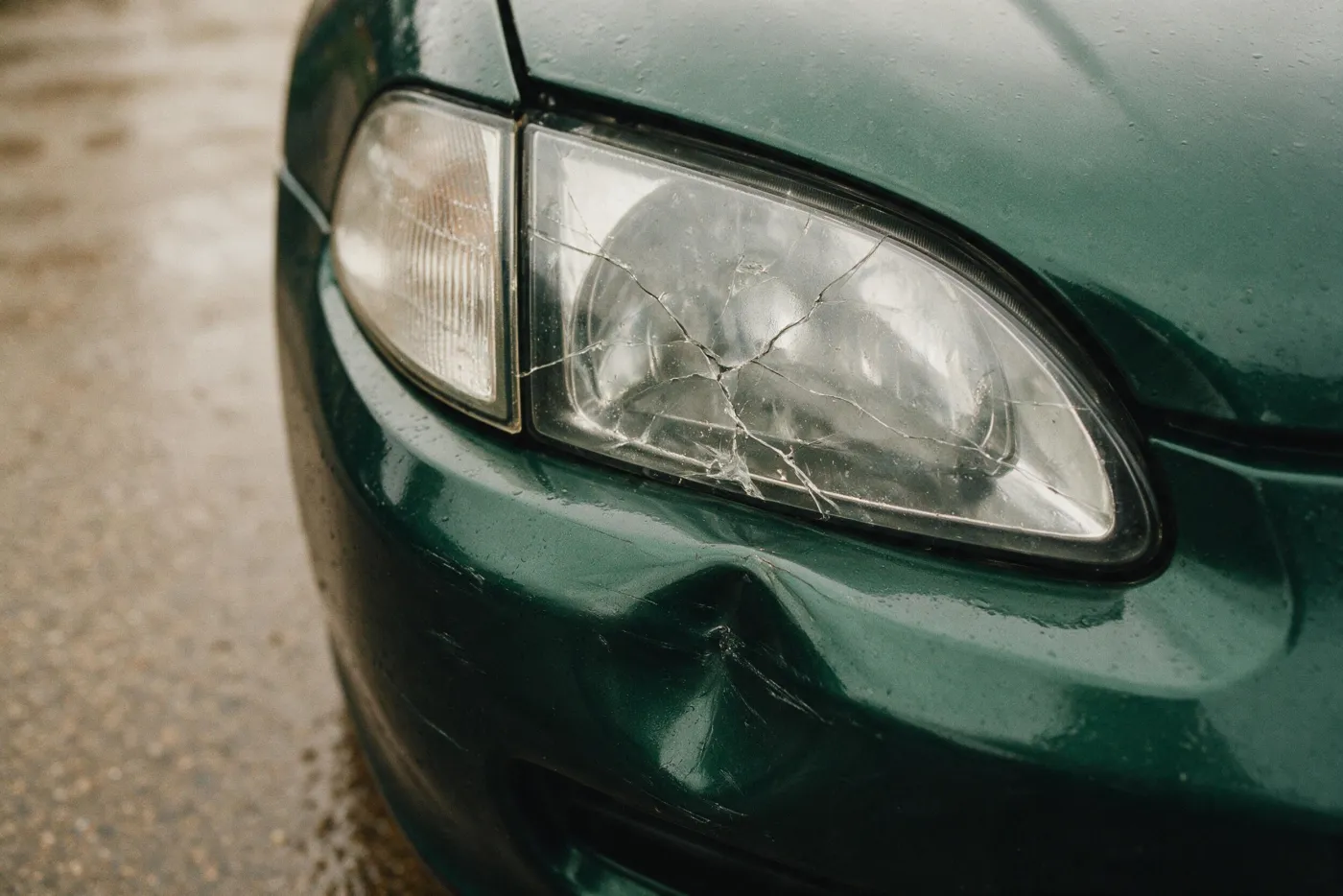
Moving through the city or travelling by public transport is part of our everyday life... But what if an accident happens along the way?
Injuries sustained while moving through the city every day are not rare. A fall caused by a damaged pavement, a pothole, an unsecured manhole, ice, snow or another hazard in a public area, as well as an injury sustained while boarding, alighting from or travelling on public transport, may under certain conditions constitute grounds for compensation for damage.
The key question is not only where the injury occurred, but why it happened, who was obliged to prevent the hazard and whether the cause of the injury can be proved.
I fell because of a pothole or damage to the pavement. Am I entitled to compensation?
You may be entitled to compensation if the injury is the consequence of an unsafe or unmaintained condition of the public area.
Liability depends on the specific circumstances, and in particular on where the accident occurred, what caused the fall and who was responsible for maintaining that area. That is why the liable party cannot be determined in advance merely on the basis of the fact that the accident happened "in the street".
I was injured because of snow or ice. Who is liable?
Liability depends on the place where the fall occurred and the obligation to maintain that particular area. For some public areas liability may rest with the competent public utility company or another party entrusted with maintenance, while for the area in front of certain buildings the obligation to clear it may rest with another legal entity or natural person.
I fell on a bus or another public transport vehicle. Am I entitled to compensation?
An injury to a passenger sustained during carriage may constitute grounds for compensation for damage, including situations in which the injury occurs as a result of sudden braking, acceleration, a collision, a fall during the journey or other circumstances connected with the carriage.
The mere fact that there was no road traffic accident with another vehicle does not mean that the passenger is not entitled to compensation.
What should I do immediately after the injury?
In these cases proof is extremely important. If the circumstances allow, the place and the immediate cause of the injury should be photographed, the details of witnesses kept and, in the case of an injury on public transport, the route, the vehicle, the time and the place of the event noted.
The injury should be medically documented without delay, and the complete medical documentation, receipts and other evidence of the costs incurred as a result of the injury should be kept.
Do I have to sue immediately?
Not necessarily. Once the liable party has been identified and the necessary documentation collected, compensation can first be sought amicably, by submitting a compensation claim to the liable party or to the insurer, where appropriate insurance exists.
If compensation is not paid or the amount offered is inadequate, the right can be pursued in court proceedings.
The amount of compensation is not determined in advance according to a single tariff; it depends on the type and severity of the injury, the duration of treatment and the consequences the injury has left.
Note. The content of this site is for information only and constitutes general legal information. It is not legal advice, a professional opinion or a recommendation for action in a specific matter. Sending a message through the site does not in itself create a lawyer and client relationship. More in the terms of use.